Blogging
-
How Construction and Infill Development Displace Squirrels in Toronto
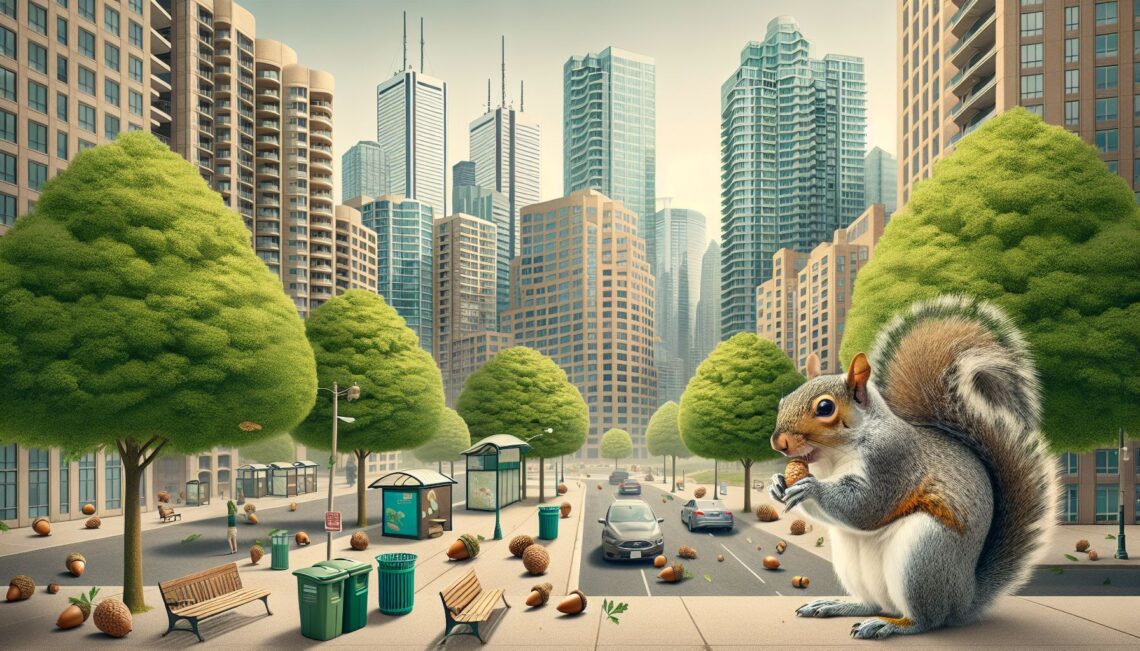
The Impact of Urban Development As the city of Toronto continually grows and develops, the urban habitat changes significantly. Construction and infill development, in particular, have considerable effects on the wildlife, including squirrels. These activities often involve the removal of mature trees, an essential resource for squirrels for food and shelter. Consequently, squirrels are displaced from their native habitats. Maintaining squirrels’ wellbeing is crucial as they are an integral part of Toronto’s urban wildlife and play vital roles in our ecosystem. They distribute seeds and help forests grow. Therefore, understanding how construction and infill development affect squirrels is critical. Understanding Squirrel Behaviour Squirrels are creatures of habit, preferring familiar surroundings…
You May Also Like
Why Eastern Gray Squirrels Thrive in Toronto’s Urban Environment
-
Why Squirrels Are Frequently Seen Along Toronto Power Lines and Fences
In urban environments, wildlife must find unique ways to adapt and survive. In Toronto, squirrels are common sight. They are particularly noticeable along the city’s power lines and fences. The sight raises questions about why this phenomenon is so prevalent. Exploration of the biological drivers behind this behavior, coupled with an examination of Toronto’s urban factors, can shed light on this peculiar behavior seen in these small critters. Biological Need for Shelter and Food Squirrels are arboreal creatures. In their natural habitats, they would spend most of their lives in trees. When displaced to the city, fences and power lines serve as their “urban trees”. These structures give squirrels safe…
You May Also Like
Why Eastern Gray Squirrels Thrive in Toronto’s Urban Environment
-
How Toronto’s Winters Influence Squirrel Foraging and Shelter Behavior
Winter in Toronto often impacts the foraging and sheltering behavior of squirrels. This activity evolves around consistent strategies designed by nature to help these creatures adapt to the seasonal environment changes in the city. Impact of Winter on Squirrel Foraging While food is plentiful in the warmer seasons, winter scarcity starts to alter foraging behavior in squirrels. They tend to stock up on food in preparation for winter, storing multiple caches across their territories. These reserves are critical when their regular food sources, such as seeds, fruits, and insects, become scarce during the harsh winters of Toronto. Influence of Winter on Squirrel Shelter Behavior Winter weather also has an impact…
You May Also Like
Why Eastern Gray Squirrels Thrive in Toronto’s Urban Environment
-
Why Squirrels Rarely Hibernate in Toronto’s Urban Climate
Understanding Squirrel Behaviours Squirrels are a common sight in Toronto. From spring to winter, their lively activity adds a unique charm to the bustling city. One intriguing behavior observed in squirrels is that unlike several other animal species, they hardly hibernate, even during the harsh Toronto winter. This trait is largely due to several key factors—biological traits, shelter needs, and food access. The Biological Factor Squirrels, specifically the Eastern Grey Squirrels common in Toronto, have a physical and biological orientation that permits them to thrive during cold winters instead of hibernating. They possess a thick fur coat that insulates against the cold and helps maintain their body temperature. In addition,…
You May Also Like
Why Eastern Gray Squirrels Thrive in Toronto’s Urban Environment
-
How Seasonal Food Availability Affects Squirrel Movement in Toronto Neighborhoods
Introduction Understanding squirrel behavior in Toronto neighborhoods may require considering various factors, including seasonal food availability. Squirrel movement patterns often align with the search for nourishment. Seasons notably play a major role, altering available resources and prompting significant changes in squirrels’ motion habits. Squirrel Biology and the Need for Food A squirrel’s survival hinges on constant food supply. Energy demands, like maintaining body heat and facilitating daily activities, make consistent nourishment crucial. Squirrels are naturally omnivorous, with a preference for nuts, seeds, and plant-based foods. Their frequent movement is primarily a quest for these food items. Influence of Seasons on Food Availability Seasonal changes in Toronto lead to variations in…
You May Also Like
Why Eastern Gray Squirrels Thrive in Toronto’s Urban Environment
-
Why Squirrels Commonly Use Attics and Roof Voids in Older Toronto Homes
Squirrels are integral to Toronto’s urban wildlife environment. Their constant scurrying, scampering and chattering form an ever familiar sight and sound in the city’s neighbourhoods, particularly in areas with mature trees. Within this landscape, squirrels have shown a preference for older Toronto homes for nesting and shelter. Among these homes, the attics and roof voids present an attractive sanctuary. This article explores this common behaviour, the factors influencing it, and the reasons it keeps recurring. Biological and Shelter Needs Central to understanding squirrel behaviour is their biological need for safe, warm shelter. In their natural habitat, squirrels nest in tree cavities or build leaf nests. In the urban environment, older…
You May Also Like
Why Eastern Gray Squirrels Thrive in Toronto’s Urban Environment
-
How Toronto’s Housing Stock Creates Ideal Nesting Sites for Squirrels
Introduction Squirrel activity in Toronto is intriguing. Not only are these creatures visible across the city, but they have also managed to successfully integrate in the urban landscape. One of the recurring behaviours observed in Toronto is the choosing of nesting sites. This article aims to decode how Toronto’s housing styles and urban form influence squirrel nesting sites and why these patterns recur over time. Biology, Shelter Needs, and Seasonality Squirrels in Toronto typically belong to two investigated species: the eastern grey squirrel and the eastern red squirrel. Both species have distinct nesting patterns tied to their biology, shelter needs, and seasonal pressures. Typically, a squirrel seeks shelter that offers…
You May Also Like
Why Eastern Gray Squirrels Thrive in Toronto’s Urban Environment
-
Why Squirrels Are More Visible in Toronto During Spring and Fall
Understanding the cycle of squirrel activity in Toronto can lead to fascinating insights about urban wildlife interaction. In particular, squirrels tend to be much more noticeable during spring and fall. This isn’t accidental, but rather mirrors specific seasonal dynamics. This article will delve into the reasons behind this pattern, touching on squirrel biology, seasonal pressures, and how Toronto’s unique urban landscape shapes squirrel behaviour. Spring Awakening: Nesting and Breeding Activity Squirrels become especially visible in Toronto during the spring because of changes in their biology. Spring is the primary breeding season for the common Eastern Grey Squirrel, the species most observed in Toronto. Males chase females in highly visible mating…
You May Also Like
Why Eastern Gray Squirrels Thrive in Toronto’s Urban Environment
-
How Toronto’s Tree Canopy Shapes Squirrel Population Density
When discussing the dynamics between squirrels and the urban environment of Toronto, one element stands as central – the city’s lush tree canopy. An essential part of the urban ecosystem, these trees serve as homes, food sources, travel paths, and shelter for the busy squirrels. Toronto’s Tree Canopy Role Toronto, often referred to as the “City within a Park,” boasts of an impressive urban tree canopy. It covers approximately 28% of the city’s features, with about 10.2 million trees. This number includes trees on both private and public land. In the life of the city squirrels, these trees are pivotal. Squirrels use them as their core homes, building their nests—known…
You May Also Like
Why Eastern Gray Squirrels Thrive in Toronto’s Urban Environment
-
Why Eastern Gray Squirrels Thrive in Toronto’s Urban Environment
The eastern gray squirrel, a ubiquitous sight in Toronto’s urban landscape, has thrived despite the city’s rapid urbanization. This article will delve into the factors contributing to their success and unravel the reasons behind this natural phenomenon. Natural Adapters to Urban Life Eastern gray squirrels possess an innate ability to adapt to city life in Toronto. Their keen sense of sight, hearing, and smell makes it effortless to spot food and detect threats in the bustling city. Moreover, their grey fur effortlessly blends with Toronto’s concrete jungle, offering them adequate camouflage against potential predators. Availability of Food and Shelter Toronto’s urban parks and gardens provide plentiful food sources for these…