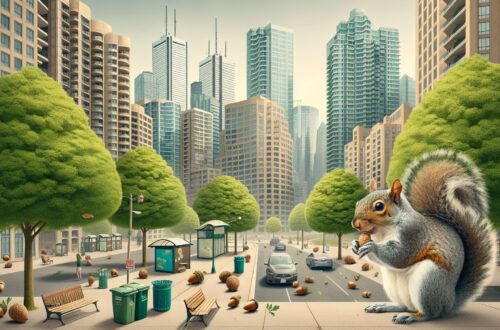
How Toronto’s Housing Stock Creates Ideal Nesting Sites for Squirrels
Introduction
Squirrel activity in Toronto is intriguing. Not only are these creatures visible across the city, but they have also managed to successfully integrate in the urban landscape. One of the recurring behaviours observed in Toronto is the choosing of nesting sites. This article aims to decode how Toronto’s housing styles and urban form influence squirrel nesting sites and why these patterns recur over time.
Biology, Shelter Needs, and Seasonality
Squirrels in Toronto typically belong to two investigated species: the eastern grey squirrel and the eastern red squirrel. Both species have distinct nesting patterns tied to their biology, shelter needs, and seasonal pressures. Typically, a squirrel seeks shelter that offers protection from weather conditions, predators, and a safe space for its young. In Toronto, the varied housing stock seems to meet these requirements effectively.
Role of Toronto Housing in Providing Nesting Sites
In Toronto, certain prevalent types of houses, such as Victorian homes, post-war bungalows, townhomes, and mid-rise buildings, unintentionally provide ideal nesting spaces for squirrels. The mature tree canopy and neighbourhood density also contribute to making these habitats attractive. Here’s how different housing types influence the nesting patterns.
Victorian Homes
Victorian homes in Toronto, usually characterized by steep roofs and intricate architectural details, offer numerous perfect hiding spots for squirrels. Squirrels commonly nest under its gables, eaves, or in unused chimneys.
Post-War Bungalows
Post-war bungalows often have areas such as eaves, rafters, and hidden spaces inside the attic that are accessible to squirrels, making them prime nesting locations.
Townhomes
With townhomes, squirrels often nest in shared loft spaces or in gaps between homes. The close proximity to food sources like urban gardens also makes townhomes very appealing.
Mid-Rise Buildings
In mid-rise buildings, squirrels tend to build nests in the gaps between structural elements, often concealed behind exterior cladding or insulation materials.
Recurring Patterns Over Time
Over time, these nesting patterns across Toronto seem to remain consistent. The reason lies in the consistency of Toronto’s urban form, housing stock, stable food supply, and climate, creating favourable conditions for squirrels year after year. Further, squirrels remember successful nesting sites and often return to the same location year after year.
Common Misconceptions
Many people believe squirrels only nest in trees. While trees can serve as nesting spots, squirrels also find human-made structures cozy and secure. Similarly, it’s a myth that squirrels only seek shelter during colder months. In reality, their nesting behaviour persists all round the year to support breeding and safely raise their young.
Insight into Squirrel Behaviour in Toronto
Unpacking squirrel behaviour in Toronto, particularly regarding choice of nesting sites, offers insightful understanding into how urban wildlife adapts and thrives in human-centric landscapes. By understanding these dynamics, individuals can learn to better cohabit with these often misunderstood creatures, appreciating their resilience and adaptability within a bustling city like Toronto.

Bryan Powell
Bryan Powell documents recurring squirrel behavior patterns observed in Toronto’s urban environment. His writing focuses on how housing stock, seasonal pressures, and structural features influence squirrel activity in residential areas, rather than on removal methods or services.
You May Also Like