How Toronto’s Winters Influence Squirrel Foraging and Shelter Behavior
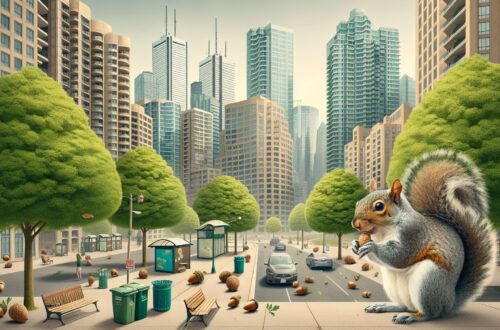
Winter in Toronto often impacts the foraging and sheltering behavior of squirrels. This activity evolves around consistent strategies designed by nature to help these creatures adapt to the seasonal environment changes in the city.
Impact of Winter on Squirrel Foraging
While food is plentiful in the warmer seasons, winter scarcity starts to alter foraging behavior in squirrels. They tend to stock up on food in preparation for winter, storing multiple caches across their territories. These reserves are critical when their regular food sources, such as seeds, fruits, and insects, become scarce during the harsh winters of Toronto.
Influence of Winter on Squirrel Shelter Behavior
Winter weather also has an impact on the sheltering habits of squirrels. The squirrels typically look for warm and secure places to survive in the harsh environment of winter. They tend to make their homes in tree holes, nests and often the attic spaces of Toronto homes, whether that be from Victorian houses to high-rise buildings.
Toronto’s Housing and Tree Factors
Toronto’s varying housing options and mature tree canopy offer numerous opportunities for squirrels to find shelter. Often, they find openings in the structures of houses, especially older or Victorian-style homes, and use these spaces as their winter den. The presence of a large number of mature trees also provides natural shelter, making Toronto a favorable environment for squirrels.
Persistent Behavior Across Toronto Neighborhoods
These behaviours tend to be consistent across many Toronto neighborhoods. It is observed that houses close to parks or green spaces where mature trees are present often see an increase in squirrel activity. Similarly, housing style and density also play a role in shelter-seeking behavior, especially during the winter.
Debunking Squirrel Behavior Myths
A common myth regarding the behaviour of Toronto squirrels is that they hibernate throughout winter. Unlike some other animal species, squirrels do not hibernate but change their behavior according to the need of the season. They become less active during the peak winter period and make use of their food caches for survival.
Understanding the Context
The recurring patterns of squirrel behavior in winter tell a story of adaption to the urban and seasonal landscape of Toronto. It’s their natural survival instinct at work, ensuring they are prepared for any environment or seasonal changes. The city’s mature tree canopy, diverse housing options, and seasonal effects together make for an interesting interaction between these urban wildlife creatures and their settings. Understanding this helps in comprehending why these patterns persist year after year and why the city experiences this cycle of squirrel behavior each winter.
The influence and interaction of squirrels with Toronto’s urban landscape and their seasonal behaviours are fascinating. By understanding the reasons behind these behaviors, we can better appreciate these nimble creatures and their continual adaption to the ever-changing city life. This urban wildlife dynamic is just another aspect of what makes Toronto a city teeming with life, capable of coexisting with nature in every season.

Bryan Powell
Bryan Powell documents recurring squirrel behavior patterns observed in Toronto’s urban environment. His writing focuses on how housing stock, seasonal pressures, and structural features influence squirrel activity in residential areas, rather than on removal methods or services.
You May Also Like