-
How Municipal Bylaws and Wildlife Protections Shape Human–Squirrel Interaction in Toronto
Introduction: Urban Context of Squirrel Activity in Toronto Toronto’s landscape includes dense neighbourhoods, mature tree canopies, and varied housing types. These features create a dynamic environment for squirrels. The way squirrels interact with the city and its residents depends on biological needs, urban design, and legal frameworks. Municipal bylaws and wildlife protections affect this interaction significantly. They shape what humans can and cannot do regarding squirrels, while squirrels respond to urban pressures like shelter, food access, and seasonal changes. Understanding this interplay reveals why squirrel behaviour tends to recur consistently across Toronto neighbourhoods. Biological and Behavioural Drivers of Squirrel Activity Squirrels in Toronto exhibit common behaviours such as nesting, denning,…
You May Also Like
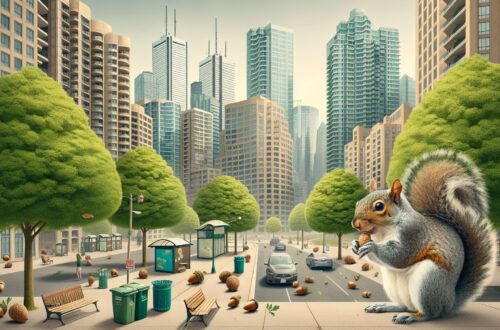
Why Eastern Gray Squirrels Thrive in Toronto’s Urban Environment
-
Squirrel movement in Toronto follows clear and consistent patterns shaped by the city’s environment and the animals’ biological needs. Movement includes daily travel, dispersal of juveniles, seasonal shifts in territory, and reactions to human-built features. Across many Toronto neighbourhoods, these movement behaviours reflect the city’s tree cover, housing styles, climate, and food availability. Biological Drivers of Movement Squirrels move primarily to find food, shelter, and mates. They rely on mature trees as travel corridors and locations for nests or dens. Movement occurs on a daily basis as squirrels forage for food and check food caches. Seasonal drivers influence movement range and intensity. In spring, males expand travel distances in search…
You May Also Like
Why Eastern Gray Squirrels Thrive in Toronto’s Urban Environment
-
Why Tree Removal and Pruning Change Squirrel Travel Routes in Toronto
Urban Context of Squirrel Travel in Toronto Toronto hosts a mix of mature tree canopies alongside dense residential areas. Across many neighbourhoods, trees create natural pathways that connect parks, yards, and green spaces. These pathways allow squirrels to move with relative safety while foraging, nesting, and seeking shelter. Tree branches and overhanging limbs serve as aerial highways that link different parts of their habitat. When trees are removed or pruned, these routes often change. This change influences squirrel behaviour and travel patterns in observable ways. Urban squirrels in Toronto face pressure from habitat fragmentation caused by development, road networks, and human activity. They tend to rely on continuous or near-continuous…
You May Also Like
Why Eastern Gray Squirrels Thrive in Toronto’s Urban Environment
-
How Urban Noise and Traffic Affect Squirrel Stress and Adaptation in Toronto
Introduction to Urban Noise and Squirrel Behaviour in Toronto Toronto’s urban environment shapes many patterns in local wildlife, including squirrels. Noise and traffic are constant factors in the cityscape. These influences interact with squirrel behaviour, affecting stress levels and adaptation strategies. Observing squirrels across different Toronto neighbourhoods reveals how these animals respond to daily urban disturbances. Traffic noise and vehicle movement create unique challenges for urban squirrels, especially given the city’s mix of housing, mature tree cover, and green spaces. This article outlines known behavioural responses of squirrels to urban noise and traffic. It highlights how these conditions influence nesting, movement, food caching, and shelter selection. It also clarifies common…
You May Also Like
Why Eastern Gray Squirrels Thrive in Toronto’s Urban Environment
-
Why Squirrels Reuse the Same Entry Points on Toronto Homes Year After Year
In the bustling urban landscape of Toronto, one of the more familiar elements of wildlife is the squirrel. A common behaviour observed in these agile creatures is that they often reuse the same entry points on homes. This tendency has intrigued homeowners and researchers alike. This article will explore the reasons behind this recurring behaviour, with special focus on the conditions inherent to Toronto. Biology and Shelter Needs Drive this Behaviour At the heart of this behaviour lies the biological needs and instincts of squirrels. Squirrels have a relatively short lifespan, and their primary goal is survival. Shelter is a significant part of that survival equation. Squirrels often pick holes…
You May Also Like
Why Eastern Gray Squirrels Thrive in Toronto’s Urban Environment
-
How Human Feeding Practices Influence Squirrel Boldness in Toronto
Toronto’s urban environment creates a unique backdrop for observing squirrel behaviours, especially in light of interactions with humans. Specifically, practices concerning feeding these small mammals seem to have a significant impact on their boldness. This article will explore this synergy, focusing on squirrel boldness, human feeding routines, and the singular features of Toronto’s urban environment that play a role in these dynamics. Squirrel Boldness Defined Squirrel boldness refers to their willingness to approach and interact with humans, primarily driven by a potential food reward. These small mammals will often display fearless behaviour, such as coming quite close to humans, if they anticipate a reward, typically food, in return. Humankind’s influence…
You May Also Like
Why Eastern Gray Squirrels Thrive in Toronto’s Urban Environment
-
Why Squirrel Activity Peaks Around Residential Rooflines in Certain Toronto Neighborhoods
Squirrel activity is a common sight in Toronto neighborhoods. Of particular interest is activity around residential rooflines. This phenomenon is not random but the result of specific factors including biology, shelter needs, seasonality, and urban conditions. Behavioural Drivers: Nesting, Denning, and Shelter Needs Squirrels, more specifically Grey squirrels commonly found in Toronto, live in nests or dens. Roofs offer ideal shelter, particularly in houses with intricate architectural features such as Victorian homes, post-war bungalows, and townhomes. Roofs provide cover and relative safety from predators. Squirrels build nests from leaves and twigs. Some also inhabit existing structures like tree cavities or roofs, especially during harsh weather. Such dens offer robust shelter…
You May Also Like
Why Eastern Gray Squirrels Thrive in Toronto’s Urban Environment
-
How Predator Presence (Hawks, Coyotes) Shapes Squirrel Behavior in Toronto
Introduction to Squirrel Behavior in Urban Toronto Regulated by a variety of biological, seasonal, and environmental factors, squirrel behavior in Toronto exhibits patterns that recur year after year. Among these influencing factors, the presence of common predators, such as hawks and coyotes, plays a crucial role in molding squirrel conduct in an urban context like Toronto. The Influence of Biological Factors Squirrels, as a species, are hardwired to adjust their behavior in the presence of predators. Hawks and coyotes, the main predators of squirrels in Toronto, trigger behaviors related to movement, denning, and food caching. Escaping from hawks flying above, squirrels tend to move more erratically in broad daylight. It’s…
You May Also Like
Why Eastern Gray Squirrels Thrive in Toronto’s Urban Environment
-
Why Juvenile Squirrels Appear Suddenly in Toronto Backyards in Late Summer
Squirrel Behaviour and Seasonal Patterns In Toronto, late summer often witnesses an influx of juvenile squirrels in backyards. This phenomenon is closely tied to patterns in squirrel biology and the impact of Toronto’s distinctive urban environment. It’s also influenced by seasonal pressures, especially as summer transitions to fall. Juvenile squirrels appear during this time due to certain biology-related factors and effects of urban conditions. During spring and early summer, squirrels breed and maintain dens, giving birth in safe, hidden places. As the young squirrels mature, usually by late summer, they start exploring their environment, thereby becoming more visible. In cases where the housing stock features mature tree canopy, the squirrels…
You May Also Like
Why Eastern Gray Squirrels Thrive in Toronto’s Urban Environment
-
Why Squirrels Cache Food Differently in Urban Toronto Than in Forested Areas
Introduction Squirrels in Toronto like elsewhere show different behavioral traits when it comes to food caching. A contrast is often visible between their behaviors in urban setting like Toronto and in forested areas. This article seeks to explain why these patterns recur and how they interact with urban and forested environments. Biological Necessity for Food Caching Squirrels cache food because of a basic biological need. They gather food, primarily nuts, and store them to consume in months when food is scarce. This storage approach allows them to stay nourished in winter when fresh food is not easily accessible. Food Caching in Forested Areas In forested areas, squirrels have ample access…
You May Also Like
Why Eastern Gray Squirrels Thrive in Toronto’s Urban Environment