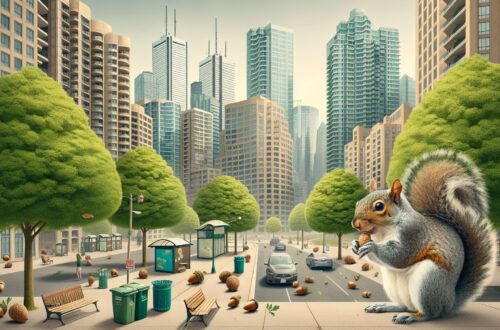
How Municipal Bylaws and Wildlife Protections Shape Human–Squirrel Interaction in Toronto
Introduction: Urban Context of Squirrel Activity in Toronto
Toronto’s landscape includes dense neighbourhoods, mature tree canopies, and varied housing types. These features create a dynamic environment for squirrels. The way squirrels interact with the city and its residents depends on biological needs, urban design, and legal frameworks. Municipal bylaws and wildlife protections affect this interaction significantly. They shape what humans can and cannot do regarding squirrels, while squirrels respond to urban pressures like shelter, food access, and seasonal changes. Understanding this interplay reveals why squirrel behaviour tends to recur consistently across Toronto neighbourhoods.
Biological and Behavioural Drivers of Squirrel Activity
Squirrels in Toronto exhibit common behaviours such as nesting, denning, chewing, movement, food caching, and shelter selection. These actions follow biological rhythms and environmental cues.
Spring brings breeding pressure, pushing squirrels to establish nests and find mates. Summer dispersal follows as juveniles explore and settle in new areas. Fall creates urgency in food caching and nesting preparation, to survive winter cold. Winter leads squirrels to seek well-insulated shelters to reduce energy expenditure.
Squirrels require secure nests (dreys) or dens often located in tree cavities or building structures. Their chewing behaviour results from natural tooth wear and the need to access shelter or food. Food caching involves storing nuts and seeds in various locations. Movement patterns respond to the distribution of food, shelter, and territorial challenges.
Role of Municipal Bylaws in Human–Squirrel Interaction
Toronto’s municipal bylaws regulate property standards, animal control, and tree protection. These laws indirectly affect squirrels by limiting human action toward wildlife and habitats on private and public land.
One key bylaw restricts wildlife feeding in public parks. This reduces squirrel dependence on human-provided food and limits unnatural congregation sites. It shapes squirrel movement and foraging behaviour within city limits.
Other regulations manage tree preservation and removal. Mature trees form critical squirrel habitat, providing nesting sites and food sources. Bylaws protecting older trees ensure squirrels retain these essential resources.
Property standards bylaws address building maintenance and repairs. These influence how easily squirrels can enter attics, wall cavities, or underneath eaves. For example, strict requirements for sealing building exteriors can reduce nesting opportunities in human structures.
Overall, municipal regulations tend to protect urban ecology indirectly rather than controlling squirrel behaviour directly. They aim to balance human needs with wildlife conservation by shaping the physical environment squirrels rely on.
Wildlife Protections and Their Influence on Squirrel Behaviour
Wildlife protection laws in Ontario, including those applied within Toronto, safeguard squirrels as native animals. These laws prohibit harming or capturing squirrels without proper cause or authority.
Such protections reinforce that squirrels have place within the urban ecosystem. Human responses that would remove or injure squirrels are restricted, influencing how people and squirrels coexist.
These legal safeguards allow squirrels to persist in urban pockets despite conflicts with housing or infrastructure. For example, squirrels may den in attics of Victorian homes or exploit gaps in semis and townhomes without risk of lethal removal.
Wildlife protections also influence public perception. They encourage viewing squirrels as part of urban biodiversity rather than pests, which affects municipal policies and neighbourhood norms over time.
Toronto-Specific Factors Affecting Squirrel and Human Interaction
Toronto’s built environment and climate drive many aspects of squirrel ecology. The mature tree canopy in many older neighbourhoods offers natural nesting sites and food in seasons. This supports stable squirrel populations across Victoria-era districts, mid-century suburbs, and mixed-use zones with townhomes and mid-rise buildings.
Housing typologies create diverse access points for denning. For instance, post-war bungalows and semis often have eaves and attics squirrels can enter for shelter or raising young. High-rise buildings create open green spaces between them but offer fewer building-access opportunities.
Seasonality in Toronto’s climate strongly shapes squirrel behaviours. Harsh winters increase shelter-seeking inside buildings or thick tree cavities. Spring’s rising temperatures trigger breeding and dispersal, leading to increased movement and nesting pressure.
Neighbourhood density influences squirrel movement as well. Denser areas with limited green space can drive increased chewing and food caching in human structures. Less dense areas with abundant trees encourage natural foraging and nesting, reducing building intrusion.
Persistence of Human–Squirrel Interaction Patterns
Patterns of human–squirrel interaction persist due to the combination of environmental, biological, and legal factors described above. Squirrels repeatedly return to structures that offer shelter, especially during breeding and winter seasons.
This recurrence results from squirrels’ strong site fidelity to nesting and food cache locations. Seasonally driven urgency in creating and maintaining dens and food storage spots causes repeated behaviours across years.
Municipal regulations and wildlife protections also help maintain a balance. By limiting harmful human interventions and preserving essential habitat features, the conditions remain favourable for squirrels to thrive in urban Toronto.
Hence, these patterns form a stable rhythm influenced by nature and governance together, creating predictable cycles of behaviour that repeat across time and neighborhoods.
Common Misconceptions About Squirrels and Urban Regulation
One misconception is that municipal bylaws directly control squirrel populations. In reality, bylaws mostly govern human actions rather than animal behaviour. They set limits on what residents and city workers can do to squirrels and their habitats.
Another oversimplification assumes wildlife protections mean squirrels cause no conflict. While legal safeguards exist, interactions like chewing and denning can still pose challenges. The law tends to manage coexistence rather than eliminate disturbance.
Some believe squirrels adapt instantly to changes in neighbourhood density or architecture. Adaptation occurs but within biological limits and often follows seasonal and ecological constraints.
Finally, feeding bans in parks are sometimes misunderstood as preventing all squirrel feeding. They mostly apply to public spaces, while squirrels freely forage on private properties, forcing variation in local behaviour.
Interpretive Insight: Interaction as a Natural and Legal Outcome
The interaction between Toronto’s human residents and squirrels represents the intersection of ecological necessity and urban governance. Squirrels follow biological imperatives within a city defined by laws that protect trees, wildlife, and property standards.
Bylaws and wildlife protections do not aim to stop squirrels but to manage how the city accommodates them alongside people. This coexistence shapes patterns of nesting, movement, food caching, and shelter selection in predictable ways.
These patterns reflect a long-term balance between natural behaviour and human-designed constraints. They reveal how urban wildlife adapts to the city environment while municipal frameworks guide the limits of human intervention.
This ongoing dynamic explains why squirrels remain a visible and recurring part of Toronto neighbourhoods year after year, unchanged in their fundamental habits but framed by the city’s legal and ecological landscape.

Bryan Powell
Bryan Powell documents recurring squirrel behavior patterns observed in Toronto’s urban environment. His writing focuses on how housing stock, seasonal pressures, and structural features influence squirrel activity in residential areas, rather than on removal methods or services.
You May Also Like