Why Squirrels Commonly Use Attics and Roof Voids in Older Toronto Homes
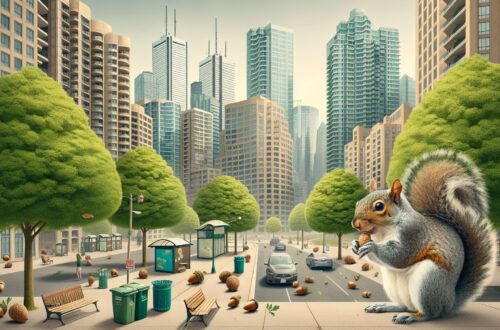
Squirrels are integral to Toronto’s urban wildlife environment. Their constant scurrying, scampering and chattering form an ever familiar sight and sound in the city’s neighbourhoods, particularly in areas with mature trees. Within this landscape, squirrels have shown a preference for older Toronto homes for nesting and shelter. Among these homes, the attics and roof voids present an attractive sanctuary. This article explores this common behaviour, the factors influencing it, and the reasons it keeps recurring.
Biological and Shelter Needs
Central to understanding squirrel behaviour is their biological need for safe, warm shelter. In their natural habitat, squirrels nest in tree cavities or build leaf nests. In the urban environment, older Toronto homes, especially those with wooden constructions, mimic this natural setting. Attics and roof voids provide warmth, protection from predators, and a quiet space for breeding and rearing young.
Influence of Food Access
Another key driver of this behaviour is food access. Areas with older homes often have mature trees, gardens and bird feeders – a perfect foraging ground for squirrels. The proximity of shelter in attics and roof voids to good food sources, thus reduces the time and energy they spend traveling in search of food.
The Irresistible Allure of Old Homes
Apart from their wooden structure and proximity to food sources, older Toronto homes have architectural features that are appealing to squirrels. These include roof voids and openings, degraded siding, and loose or damaged roof shingles. These features make entry more manageable for squirrels.
Seasonal Pressures and Squirrel Behaviour
Seasonal changes also play a significant role in squirrel behaviour. In preparation for winter, squirrels intensify their search for food and shelter in the fall. The attics and roof voids present a perfect winter haven. Similarly, during spring breeding season, female squirrels look for safe, quiet places to rear their young, and these spaces in older Toronto homes fit the bill.
Persistence of the Issue: Recurrence Over Time
Despite the efforts of homeowners to deter them, this behaviour among squirrels persists year after year. The drivers, specifically the need for safe shelter and food, remain consistent, ensuring the pattern continues.
Unraveling Common Misconceptions
There is a common misunderstanding that squirrels purposefully damage property or target specific houses. These notions oversimplify squirrel behaviour. In reality, squirrels are merely following their instincts for survival – seeking shelter and food.
Interpretive Insight: The Squirrel-Human Coexistence
Understanding squirrels’ natural behaviours and the urban adaptations they’ve made is key to our coexistence with them. Their preference for older Toronto homes, specifically the attics and roof voids, offers peak insight into these behaviours. This pattern recurs because the city’s landscape, particularly the older neighbourhoods, effectively serves the squirrels’ survival needs. This understanding leads us to view squirrel behaviour less as a pest problem and more as a natural response to the urban environment we share with them.

Bryan Powell
Bryan Powell documents recurring squirrel behavior patterns observed in Toronto’s urban environment. His writing focuses on how housing stock, seasonal pressures, and structural features influence squirrel activity in residential areas, rather than on removal methods or services.
You May Also Like