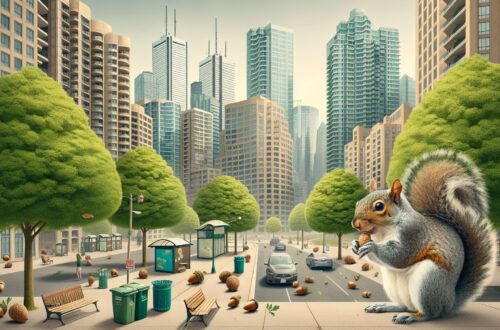
Why Squirrels Rarely Hibernate in Toronto’s Urban Climate
Understanding Squirrel Behaviours
Squirrels are a common sight in Toronto. From spring to winter, their lively activity adds a unique charm to the bustling city. One intriguing behavior observed in squirrels is that unlike several other animal species, they hardly hibernate, even during the harsh Toronto winter. This trait is largely due to several key factors—biological traits, shelter needs, and food access.
The Biological Factor
Squirrels, specifically the Eastern Grey Squirrels common in Toronto, have a physical and biological orientation that permits them to thrive during cold winters instead of hibernating. They possess a thick fur coat that insulates against the cold and helps maintain their body temperature. In addition, these creatures can also adjust their metabolic rate, which is critical for survival during extreme conditions.
Shelter Requirements
Shelter is another significant factor that determines the hibernation patterns of Toronto’s squirrels. Squirrels in Toronto commonly dwell in tree cavities or makeshift nests named ‘dreys,’ often located in mature tree canopies. These shelters, primarily in the dense neighbourhoods of the city and post-war bungalows, are generally insulated and offer sufficient protection against inclement weather. These safe havens allow squirrels to stay active throughout the year, removing the need to hibernate.
The Role of Food
Food availability plays a vital role in the lifestyle of squirrels. Squirrels tend to cache food for cold seasons—primarily seeds, acorns, and other nuts. They follow a process named scatter-hoarding, where they distribute food in various locations across their home range. The urban climate of Toronto, with its abundance of urban food sources, ensures that squirrels have a consistent food supply, reducing the necessity for them to hibernate.
The Impact of Toronto’s Urban Climate
Urbanization in Toronto has led to changes in the local ecology that see squirrels remaining active year-round. The presence of mid-rise and high-rise buildings, Victorian homes, and townhomes provides additional sheltering locations. Seasonality, particularly fall nesting urgency and winter shelter-seeking, is critical but does not compel hibernation because adequate shelter abounds.
Furthermore, the food waste generated by urban dwellers often provides an additional food source for the squirrels. They are known to rummage in trash bins and feed on the scraps which, although unhealthy, ensures their survival during harsh winters.
Correcting Common Misconceptions
A common misconception is that all squirrels hibernate during winter. While some species do, like the Ground Squirrel, the Eastern Grey Squirrels that inhabit Toronto adapt to stay active throughout the winter. Their adaptive behaviour, aided by Toronto’s unique urban factors, helps them survive without long-term hibernation.
Overarching Interpretive Insight
Understanding why squirrels rarely hibernate in Toronto’s urban climate emphasizes cross-species differences, species-specific survival strategies, and the significant influence of urban environ.swagger-tags on animal behaviour. The cycle of squirrel activity is a deeply integrated system that reflects both the offerings and constraints of Toronto’s urban environment.
In conclusion, squirrels’ non-hibernation in the city is directly tied to their physiological adaptability, availability of shelters, consistent food supplies, and the opportunities offered by the urban ecology of Toronto. This pattern proves that while certain animal behaviours may seem peculiar to us, they are typically the product of sophisticated survival strategies that interact with the specifics of the local environment.

Bryan Powell
Bryan Powell documents recurring squirrel behavior patterns observed in Toronto’s urban environment. His writing focuses on how housing stock, seasonal pressures, and structural features influence squirrel activity in residential areas, rather than on removal methods or services.
You May Also Like