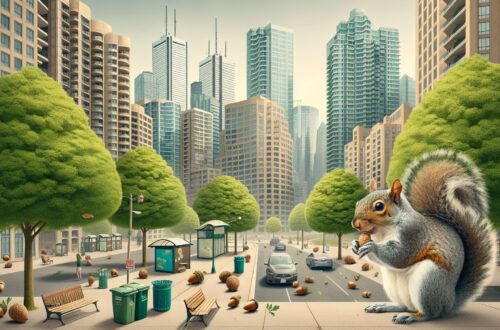
How Human Feeding Practices Influence Squirrel Boldness in Toronto
Toronto’s urban environment creates a unique backdrop for observing squirrel behaviours, especially in light of interactions with humans. Specifically, practices concerning feeding these small mammals seem to have a significant impact on their boldness. This article will explore this synergy, focusing on squirrel boldness, human feeding routines, and the singular features of Toronto’s urban environment that play a role in these dynamics.
Squirrel Boldness Defined
Squirrel boldness refers to their willingness to approach and interact with humans, primarily driven by a potential food reward. These small mammals will often display fearless behaviour, such as coming quite close to humans, if they anticipate a reward, typically food, in return.
Humankind’s influence on this boldness comes from our feeding practices. Squirrels in areas with high human density, such as Toronto, learn and adapt over time to seek food sources from humans, which in turn shapes their boldness levels. Over generations, squirrels have begun associating humans with food, resulting in increasingly bold behaviour.
The Human Factor: Feeding Practices
Feeding practices play a big part in influencing squirrel behaviour in Toronto. Many city denizens, often charmed by these agile creatures, routinely feed them, unintentionally causing shifts in their natural tendencies. Feeding can range from leaving out seeds or nuts intentionally to leaving unattended food or poorly secured garbage, which squirrels take advantage of.
These actions tend to increase squirrel boldness, as they permit the creatures with regular and secure food sources. At the same time, these human habits can lead the squirrels to discard their natural caution and become reliant on people for their sustenance, an issue that persists season after season because of human feeding practices continuity.
Toronto’s Urban Environment Effect
Toronto’s unique urban environment plays a significant role in this relationship. The city offers mature tree canopy, dense neighbourhoods, and diverse housing typologies, granting squirrels suitable habitat and aiding their survival. These urban factors model the squirrels’ behaviour and interact with human activities, significantly impacting their boldness levels.
Furthermore, food sources in Toronto’s urban environment are interconnected with human density and activities. High human density terrains, such as mid-rise or high-rise buildings, offer rich, predictable sources of food that profoundly impact squirrel behaviour, notably their boldness.
Unraveling Misconceptions
A common misconception is that squirrels in Toronto are naturally bold. Yet, this assertiveness is fundamentally shaped by habitual human interactions, primarily through feeding routines.
Another oversimplification is considering this boldness as solely beneficial for the squirrels. While immediate benefits, such as easy access to regular food sources, exist, this behaviour alteration can have negative consequences. It can lead to increased competition among squirrels, disrupted natural feeding and caching behaviour, and reduced fear of potential predators, including humans.
Final Interpretations
In essence, human feeding practices in Toronto encourage squirrel boldness by offering regular and bountiful food supplies, fostering a shift from natural, cautious behaviours. The city’s specific urban environment adds another layer to this dynamic, further boosting their boldness levels.
While this can seem a cute quirk of city living, it’s essential to remember that this isn’t advantageous in the long run. It disturbs the natural behaviour of these creatures and alters their ecological roles. As informed observers, understanding these influences and implications can lead to more balanced interactions with our urban wildlife, fostering a healthier coexistence.

Bryan Powell
Bryan Powell documents recurring squirrel behavior patterns observed in Toronto’s urban environment. His writing focuses on how housing stock, seasonal pressures, and structural features influence squirrel activity in residential areas, rather than on removal methods or services.
You May Also Like